Food waste is a major issue in Australia, with 7.6 million tonnes discarded each year – 312 kilograms per person annually. One of the keys to reducing food waste is maintaining a well-organised fridge and freezer system, an approach that can also help households save hundreds of dollars a year.
Your fridge, freezer and even pantry should work together as one system to extend freshness, prevent spoilage and make it easier to see what’s in the fridge so nothing valuable gets forgotten. Below are some tips to help you make better use of your food storage options.
Freeze as soon as possible
One of the simplest but most effective habits to extend the life of food is to freeze it immediately after purchase, especially if you know you won’t use it within a few days.
Meat and seafood: Portion and freeze straight away.
Herbs: Chop and freeze in olive oil using ice cube trays for easy cooking portions.
Fruit and vegetables: Freeze ripe produce such as berries before they overripen.
Cooked meals: Batch cooking and freezing portions prevents last-minute takeaway orders and food waste.
Bread: Freeze and toast when you’re ready to eat. This works for other items like wraps, rolls and even bakery items like muffins!
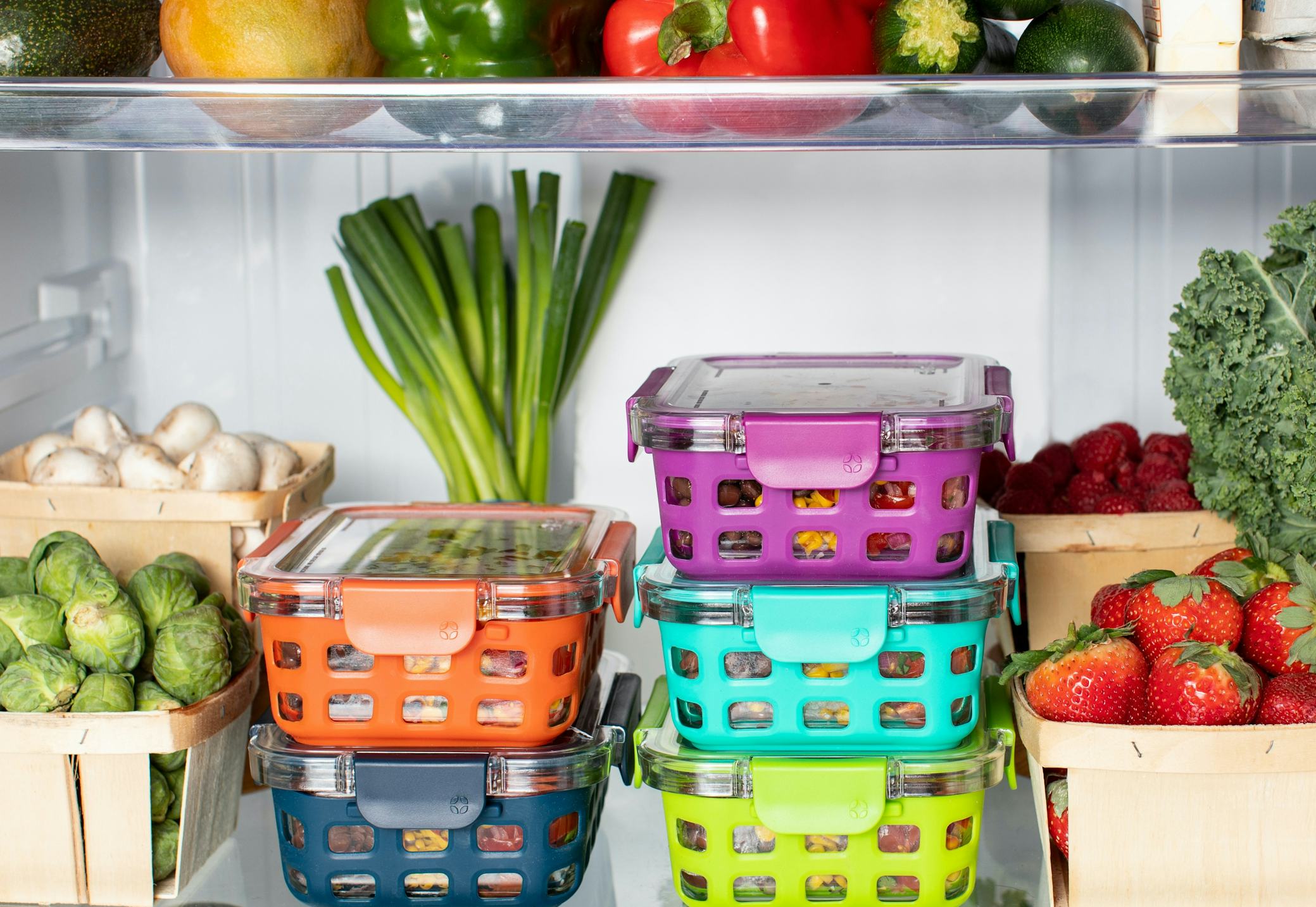
Tuppaware containers containing fresh food in the fridge.
Choose sustainable freezer storage options
Traditional plastic freezer bags contribute to long-term plastic waste and studies have shown they can leach microplastics when frozen. Instead, switch to:
Silicone reusable bags: durable, washable, reusable, and freezer-safe
Beeswax wraps: great for short-term freezing or wrapping baked goods
Glass containers with airtight lids: ideal for soups, sauces and meal prep
Understand how your fridge compartments work
Most people underuse or misunderstand fridge zones, which can significantly impact how long food lasts. Organising by temperature zone not only extends shelf life but also reduces the chance of cross-contamination.
Top shelves: Ready-to-eat foods, leftovers, drinks.
Middle shelves: Dairy like yoghurt, cheese, and milk (most stable temperature zone).
Bottom shelf: Raw meat and seafood - kept coldest and safest to prevent contamination.
Crisper drawers:
High humidity: leafy greens, herbs, broccoli.
Low humidity: fruits like apples, pears, and stone fruit.
Door shelves: Condiments and sauces only (temperature fluctuates too much each time you open the fridge door so avoid storing milk or eggs here),
Remember the “first in, first out” rule
A common cause of food waste is simply forgetting what’s already in the fridge! Place older items at the front, new groceries at the back and use clear containers whenever possible so food is easy to identify. It may also be helpful to set up a “use me first” section for items approaching expiry or label specific items that need to be used sooner.
Avoid overloading your fridge
A full fridge can be a helpful reminder to slow down on grocery shopping and use what you already have. Before heading back to the supermarket, get creative with existing ingredients or plan a few meals around what’s already in your fridge. Not to mention, jam packing your fridge with items can make it harder for it to maintain a stable temperature inside.
Visit Recycling Near You to learn more about reducing food waste.